
You bite into a soft dumpling and hot soup floods your mouth. That first explosion of rich broth mixed with savory pork is pure magic. Xiao Long Bao, those famous soup dumplings, feel like a restaurant secret, but you can make them at home with a bit of patience and the right steps. Ready to turn your kitchen into a mini Shanghai dumpling shop?
What Exactly Are Xiao Long Bao?
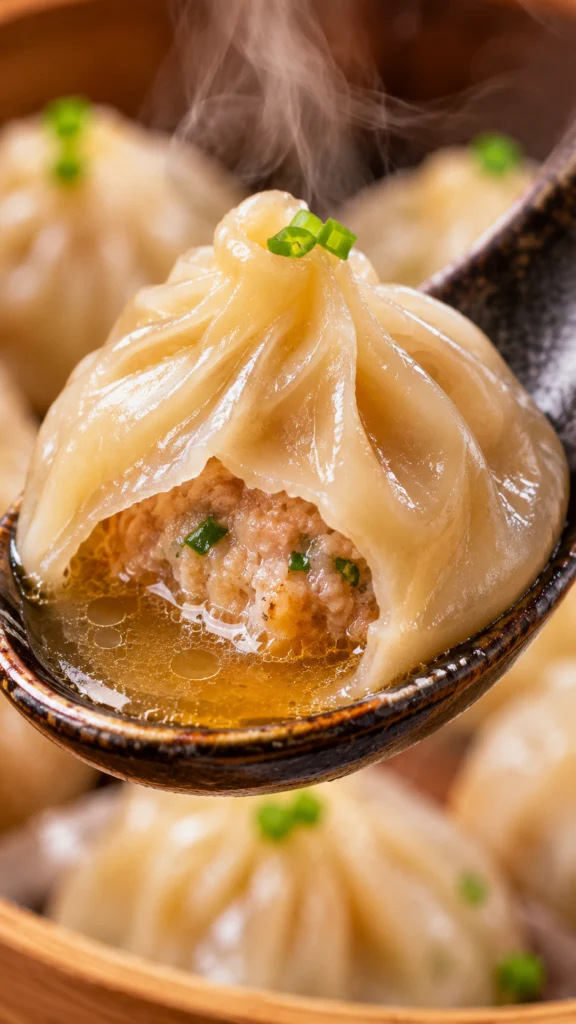
Xiao Long Bao means “little basket buns.” These steamed dumplings hold a secret: a pocket of savory soup that stays liquid until you bite in. The magic comes from gelatin-rich broth that melts during steaming and becomes the famous soup.
People often confuse them with regular potstickers or bao. Xiao Long Bao sit in their own league because of that liquid center and the delicate, almost translucent skin. One good one can make you forget every sad frozen dumpling you ever tried.
The texture matters just as much as the flavor. The skin should feel thin yet strong enough to hold the soup without breaking. The filling needs to taste meaty and seasoned just right. Get both right and you will never look at takeout the same way again.
Why Bother Making Them at Home?
Store-bought or restaurant versions can cost a small fortune, and quality varies wildly. When you make them yourself, you control every ingredient. You decide how much ginger goes in, how juicy the soup feels, and whether the skin stays tender or turns tough.
Plus, the process feels oddly satisfying. Mixing the dough, folding each dumpling by hand, and watching the steam rise creates a kind of kitchen therapy. Friends and family usually hover nearby, waiting for the first batch to come out of the steamer. Fair warning: once they taste yours, they will start requesting them on a regular basis.
Ingredients You Actually Need
You do not need fancy equipment or hard-to-find items. Most of what you need already sits in a well-stocked kitchen or a quick trip to an Asian grocery store.

For the dough:
- 2 cups all-purpose flour
- ¾ cup warm water
- Pinch of salt
For the filling and soup:
- 1 pound ground pork (not too lean)
- 2 tablespoons soy sauce
- 1 tablespoon sesame oil
- 1 tablespoon Shaoxing wine or dry sherry
- 1 teaspoon grated ginger
- 2 green onions, finely chopped
- Salt and white pepper to taste
- 2 cups rich chicken or pork stock
- 2 tablespoons powdered gelatin (or 4 sheets)
The gelatin is the secret weapon. It turns the stock into a solid aspic that melts into soup during steaming. Skip this step and you just end up with regular dumplings. No one wants that.
A Quick Note on the Meat
Choose ground pork with some fat. Lean meat makes dry filling. If you want extra flavor, ask the butcher to grind in a little pork belly. The difference shows up in every bite.
Making the Dough the Right Way
Start with the dough because it needs time to rest. Mix the flour and salt in a bowl. Pour in the warm water slowly while stirring with chopsticks or a fork. When the mixture looks shaggy, switch to your hands and knead for about 8–10 minutes until the dough feels smooth and elastic.
Cover the dough with a damp cloth and let it rest for at least 30 minutes. This resting step relaxes the gluten so the wrappers roll out thin without snapping back. Skip it and you will fight the dough the whole time. Trust me on this one.
After resting, divide the dough into small pieces, roughly the size of a large grape. Roll each piece into a thin circle about 3 inches wide. Keep the center a tiny bit thicker than the edges. That extra thickness in the middle helps hold the soup later.
Building the Famous Soup Filling
This part separates average dumplings from the ones people rave about. First, bloom the gelatin in a little cold water, then stir it into the warm stock until it dissolves completely. Pour the mixture into a shallow dish and chill it in the fridge until it sets into a firm jelly. Cut the jelly into small cubes.
In a separate bowl, mix the ground pork with soy sauce, sesame oil, wine, ginger, green onions, salt, and white pepper. Stir the mixture in one direction for a few minutes until it becomes sticky and cohesive. This technique helps the filling hold together and stay juicy.
When the aspic is firm, fold the cubes into the pork mixture. Work quickly so the gelatin does not melt from the warmth of your hands. The filling should look speckled with clear jelly pieces. That is exactly what you want.
Wrapping Without the Panic
Place a spoonful of filling in the center of each wrapper. The amount should feel generous but not overflowing. Bring the edges up around the filling and start pleating. Aim for 12–18 tiny pleats, pinching them tightly at the top so the dumpling looks like a little pouch with a closed top.
The first few will look wonky. That is normal. By the fifth or sixth dumpling your fingers figure out the rhythm. Keep a small bowl of water nearby in case the edges dry out and refuse to stick. A light dab of water solves most sealing problems.

Line your steamer basket with parchment paper or cabbage leaves so the dumplings do not stick. Give each dumpling a little space. They expand slightly while steaming, and you do not want them glued together.
Steaming for That Perfect Texture
Bring water to a rolling boil in a wok or pot that fits your steamer. Place the basket over the boiling water, cover, and steam for 8–10 minutes. Do not lift the lid early. The steam needs to work its magic without interruption.
When the time is up, turn off the heat and wait 30 seconds before removing the lid. Sudden temperature changes can make the delicate skins tear. The dumplings should look plump and slightly translucent. The soup inside will still be liquid and very hot, so handle them carefully.

Serve them right away in the steamer basket or transfer them to a plate. Provide black vinegar mixed with a little shredded ginger for dipping. The sharp vinegar cuts through the richness perfectly.
Common Mistakes and How to Dodge Them
Even experienced cooks mess these up sometimes. Here are the usual culprits:
- Dough too thick – results in chewy, doughy dumplings. Roll thinner next time.
- Filling too wet before adding aspic – the mixture turns mushy. Keep the pork mixture firm.
- Overfilling – the wrappers burst during steaming. Use a bit less filling until you get the hang of it.
- Steaming too long – skins become tough. Stick to the 8–10 minute window.
If a dumpling does leak, do not panic. The rest of the batch usually survives, and the leaked ones still taste great. Call them “rustic” and move on.
FAQ’s
Can I make the filling ahead of time?
Yes. Prepare the aspic and mix it into the pork up to a day in advance. Keep everything covered in the fridge. Assemble the dumplings just before steaming for the best texture.
What if I do not eat pork?
Ground chicken or turkey works, but add a little extra fat such as chicken skin or a spoonful of oil. The soup still comes from the gelatin-rich stock, so the liquid center stays intact.
Do I need a bamboo steamer?
No. Any steamer basket that fits over a pot of boiling water works fine. Metal or silicone steamers do the job. Just line them so the dumplings do not stick.
How do I store leftovers?
Cooked dumplings freeze surprisingly well. Arrange them in a single layer on a tray, freeze until solid, then transfer to a bag. Re-steam from frozen for a few extra minutes.
Why did my soup disappear?
Usually the wrappers had tiny holes or the seal at the top was not tight enough. Practice the pleating and pinch firmly. A little experience fixes this fast.
Can I use store-bought wrappers?
You can, but homemade dough tastes better and stretches more easily. Store-bought versions often feel thicker and less delicate. If you are short on time, go for it and focus on the filling.

Final Thoughts
Making Xiao Long Bao at home takes a little practice, but the payoff feels huge. The first time the soup bursts in your mouth and you realize you created that moment yourself, the effort suddenly makes sense. Invite a few friends, put on some music, and turn dumpling night into an event. Your kitchen will smell incredible, and everyone will leave happy. Now go make a batch. Your future self (and anyone lucky enough to share the meal) will thank you.

Homemade Soup Dumplings (Xiao Long Bao):

Ingredients
- 2.5 to 3 lbs chicken backs and necks
- 1 tbsp vegetable oil
- 2 ” ginger sliced
- 4 green onions cut into 3” pieces
Instructions
- Make the aspic: simmer chicken backs, ginger, green onions, and vegetable oil in water to create a rich broth. Strain and chill until gelatinized, then dice into small cubes.
- Prepare wrappers: mix flour and salt, add hot water and knead into a smooth dough. Let rest.
- Combine ground pork, Shaoxing wine, soy sauce, ginger, salt, sugar, pepper, and green onions. Mix well until sticky. Fold in diced aspic.
- Roll dough into a thin sheet and cut into 3-inch circles.
- Fill each wrapper with a tablespoon of filling, pleat edges to seal with about 12-18 folds.
- Steam dumplings over boiling water for about 8-10 minutes until cooked through.
- Serve hot with vinegar and ginger dipping sauce.
Notes
- Use fatty pork for juicy filling.
- The aspic melts during steaming, creating delicious soup inside each dumpling.
- Keep dumplings covered with a damp cloth before steaming to prevent drying.
- Practice pleating for perfect seals
DID YOU MAKE THIS EASY RECIPE?
If you have, then share it with us by sending a photo. We’re excited to see what you’ve made
